
Syria’s As-Suwayda: A Nexus of Regional Conflict and Global Trade Ambitions
July 20, 2025
Israeli Aid Airdrops: Blending Skill with Deceptive Illusion
July 27, 2025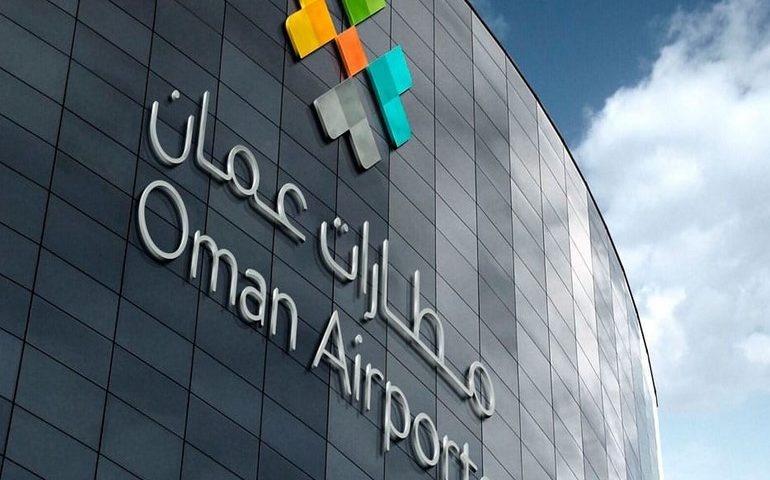
As the Middle East and North Africa (MENA) region undergoes rapid transformation, many countries have turned toward long-term national development plans to guide their futures. Oman’s Vision 2040 is one such plan, laying out a roadmap for economic diversification, sustainability, and global integration. However, despite its strategic geographic position and growing national airline, Oman makes only a single brief reference to aviation in its entire Vision 2040 document. This omission stands in stark contrast to the region’s leading economies, where aviation has become a cornerstone of growth. In the case of Oman, aviation—and more specifically Oman Air—has the potential to play a much larger role in achieving the country’s ambitious goals.
Oman is uniquely positioned at the crossroads of Europe, Asia, and Africa, offering a natural advantage as a global transit hub. Yet, this geographic opportunity remains underleveraged. While neighboring countries like Qatar and the UAE have aggressively built aviation into their national development strategies—turning Doha and Dubai into world-renowned travel hubs—Oman has not taken full advantage of this sector’s potential. Oman Air, the country’s national carrier, already serves over 50 destinations with a modern fleet and excellent service. Its infrastructure is in place, and with continued investment and strategic development, the airline could significantly boost Oman’s tourism, trade, and international visibility.
One innovative solution that illustrates this potential is the Oman Air Stopover Program. Designed to transform Muscat into a competitive stopover destination, this initiative could attract long-haul travelers to spend a few days exploring Oman during layovers. Similar programs in Doha (Qatar Airways) and Abu Dhabi (Etihad Airways) have proven highly successful, bringing in millions of tourism dollars while increasing airline passenger numbers. A stopover program in Muscat would not only boost Oman Air’s market share but also directly support Vision 2040’s emphasis on tourism and economic diversification.
The program, detailed in a recent business proposal, would offer travelers three-tiered hotel packages—Standard, Premium, and Luxury—paired with cultural tours showcasing Oman’s rich heritage. From desert adventures and fort tours to perfume-making workshops and culinary experiences, visitors would leave with a genuine sense of Oman’s identity. The flight experience itself would also reflect Omani culture, with traditional meals, crew attire, and welcome gifts that introduce passengers to the country’s history and hospitality before they even land. The proposal estimates a 25% return on investment in the first year, with long-term gains for both tourism revenue and Oman Air’s brand.
Beyond economics, there’s a deeper reason aviation matters: it is a soft power tool. Oman has long positioned itself as a neutral, peaceful actor in a region often marked by geopolitical tension. Expanding its aviation sector allows the country to export this image globally. Every traveler who experiences Omani hospitality during a stopover becomes an ambassador of sorts, carrying home a positive impression of the country. In a time when international perception is key to securing trade partnerships, foreign investment, and diplomatic leverage, aviation becomes much more than transportation—it becomes a platform for storytelling.
Critically, the absence of a defined aviation strategy in Vision 2040 does not reflect the reality of its growing importance in Oman’s economy. The expansion of Muscat International Airport, which can now handle over 20 million passengers annually, and the modernization of Oman Air’s fleet suggest that the government recognizes aviation’s potential—just not officially in its long-term planning. By integrating aviation into Vision 2040, Oman can align infrastructure development with policy goals, ensure sustained investment, and maximize the returns from tourism and global connectivity.
In conclusion, Oman stands at a crossroads – literally and figuratively. Its Vision 2040 lays out a bold future, but its lack of emphasis on aviation risks leaving a key growth engine underutilized. As other MENA countries capitalize on the economic, cultural, and geopolitical value of aviation, Oman should follow suit. By recognizing the aviation sector—and particularly Oman Air—as a strategic national asset, and implementing initiatives like the stopover program, Oman can reinforce its global presence, drive sustainable tourism, and realize its full potential as the gateway to the region.
Disclaimer. The views and opinions expressed in this analysis are those of the author and do not necessarily reflect the official policy or position of MEPEI. Any content provided by our author is of her opinion and is not intended to malign any religion, ethnic group, club, organization, company, individual, or anyone or anything.
Ms. Naz ATABAS
Ms. Naz ATABAS is a student at the George Washington University in International Affairs and Finance. Currently, she is an intern at MEPEI.